Hydration Beyond the Tap: Mineral Purity at the Cellular Level
Water is the biological solvent of every cell. Its purity and mineral balance determine how well your body transports nutrients, lubricates joints, and filters waste.
The Journey From Municipal Treatment Plant to Your Home
Clean water leaves the plant—but the last mile is where purity is quietly compromised.
From Plant to Pipe
Facilities treat water to baseline standards, but it then travels through miles of aging city mains, soldered copper joints, and corroding conduits.
The Hidden Hazards
Secondary rust, pipe scale, vinyl chloride from older PVC conduits, microbial biofilms in storage tanks, and persistent PFAS—the 'forever chemicals' highlighted in documentaries like 'The Devil We Know'.
Baseline ≠ Optimal
Meeting a regulatory minimum at the treatment plant says nothing about what accumulates on the long final journey into your home.
How Much Potable Water Do You Actually Need?
Up to 70% of your body weight and brain tissue is water—acting as the shock absorber for vital organs, a joint lubricant, and the kidney's filtration solvent. True demand goes far beyond drinking.
Direct Drinking Water
Range 1.2–2.3
Coffee & Tea Brewing
Daily brews
Cooking (Rice, Dal, Pasta, Soups)
Family meals
Rinsing Grains & Soaking Lentils
Prep water
Washing Produce & Fruits
High up to 3.0+
Ice & Pets
Daily use
Total Daily Demand
~1,551 gallons every year
Single-Use Bottles Replaced
A point-of-use system eliminates thousands of 500 mL plastic bottles annually for a household of 4.
The “Rationing Trap”
Low-capacity pitchers and bottled water force families to ration pure water only for drinking—while preparing family meals, washing produce, and cooking in raw tap water. Adequate capacity removes the trade-off entirely.
The Independent NSF Standards Matrix
Certification against independent NSF/ANSI standards is how performance claims are verified. Hover any standard to see what it actually covers.
Health Effects
Lead reduction to 5 µg/L, 99.95% of cysts, mercury, VOCs, and PFAS.
What Are the Different Options for Filtering Water?
Every approach has trade-offs. Explore each option to understand cost, ecology, mineral retention, and disinfection.
Single-Use Bottled Water
Convenient in the moment—costly for your wallet, the planet, and often unregulated.
Financial
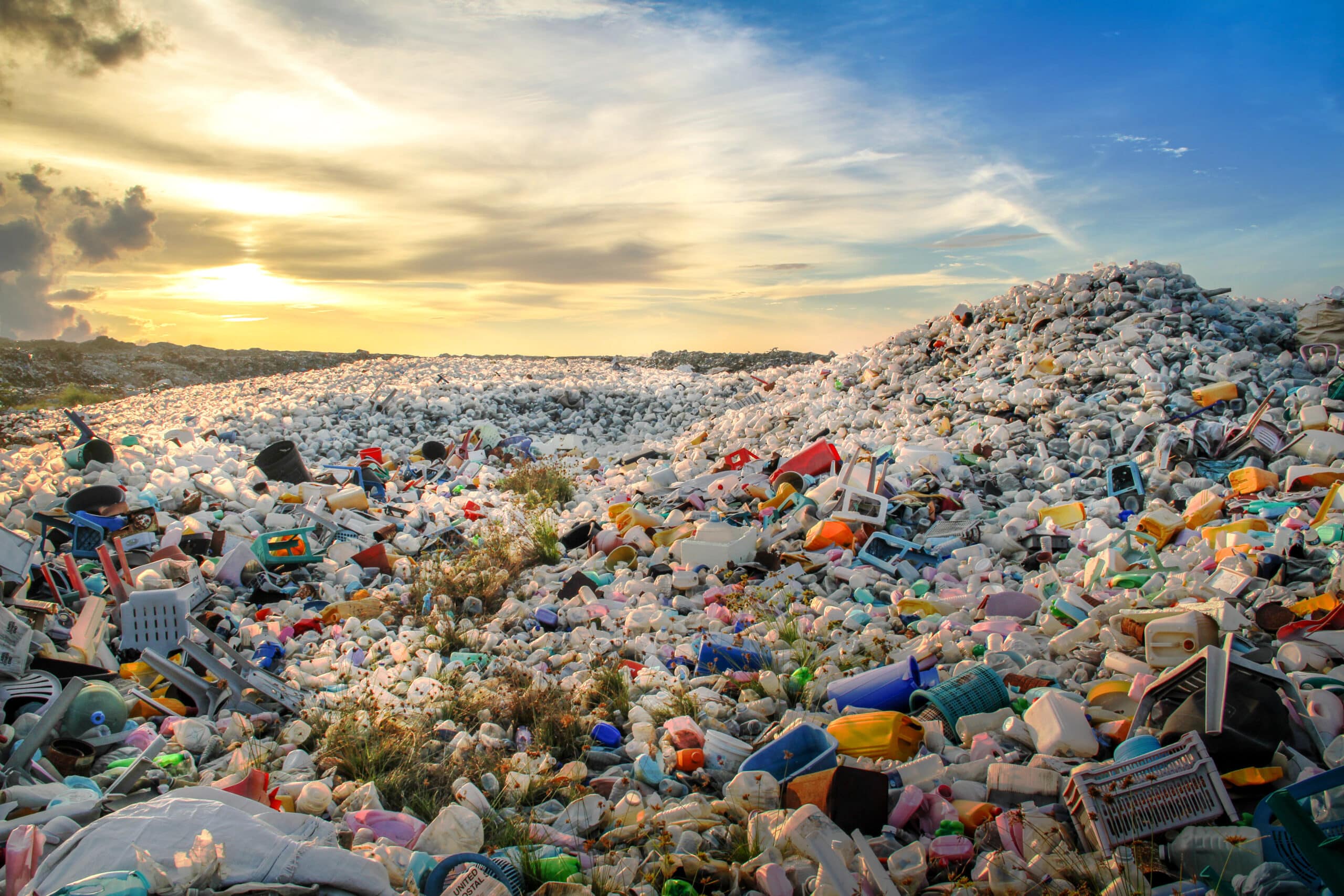
Up to 1,900× more expensive than tap; $400–$1,000 per year for a single household.
Ecological
28B bottles a year, roughly 1,500 dumped every second, consuming ~17M barrels of oil.
Health
Truck transport reaching 100°F–150°F can drive microplastic and chemical leaching into the water.
Regulation
Not governed by independent NSF-certified performance standards.
The Multi-Stage Carbon + UV-C LED System
The one architecture that pairs a massive activated carbon block with active UV-C disinfection—reducing contaminants and neutralizing microbes while leaving essential minerals intact.
Estimated System Cost
~$1.05 / gal
Year 1
Versus Bottled Water
$100 / mo
Average household spend
What the Numbers Actually Mean
Six measured outcomes behind the multi-stage architecture—each verified, not marketed.
170+
Effectively Reduces 170+ Contaminants
Captures microplastics, PFOA/PFOS forever chemicals, 1,2,3-TCP, pharmaceuticals, lead, mercury, VOCs, and agricultural pesticides.
Zero
Retains Essential Minerals
Naturally allows vital dietary electrolytes like calcium and magnesium to flow through untouched for balanced taste and cellular osmolarity.
1,320
1,320-Gallon Annual Capacity
High-volume annual capacity supplies your entire household with uninterrupted pure water for drinking, whole-meal cooking, and produce washing without rationing.
Real-Time
Smart Electronic Monitoring
Patented intelligent monitor actively verifies UV-C and carbon performance, alerting you precisely when it is time for the annual cartridge change.
99.9999%
Active UV-C LED Microbial Inactivation
Advanced UV-C LEDs effectively destroy up to:
- 99.9999% of bacteria†
- 99.99% of viruses†
- 99.9% of waterborne cysts
#1
Rated #1 Independent Digest
Recognized by independent consumer testing authorities for outstanding efficiency, backed by a 5-year warranty.
† Based on independent NSF/ANSI 55 microbial inactivation testing. Actual performance varies with source water quality and maintenance.
The 4 Gold-Standard Certifications
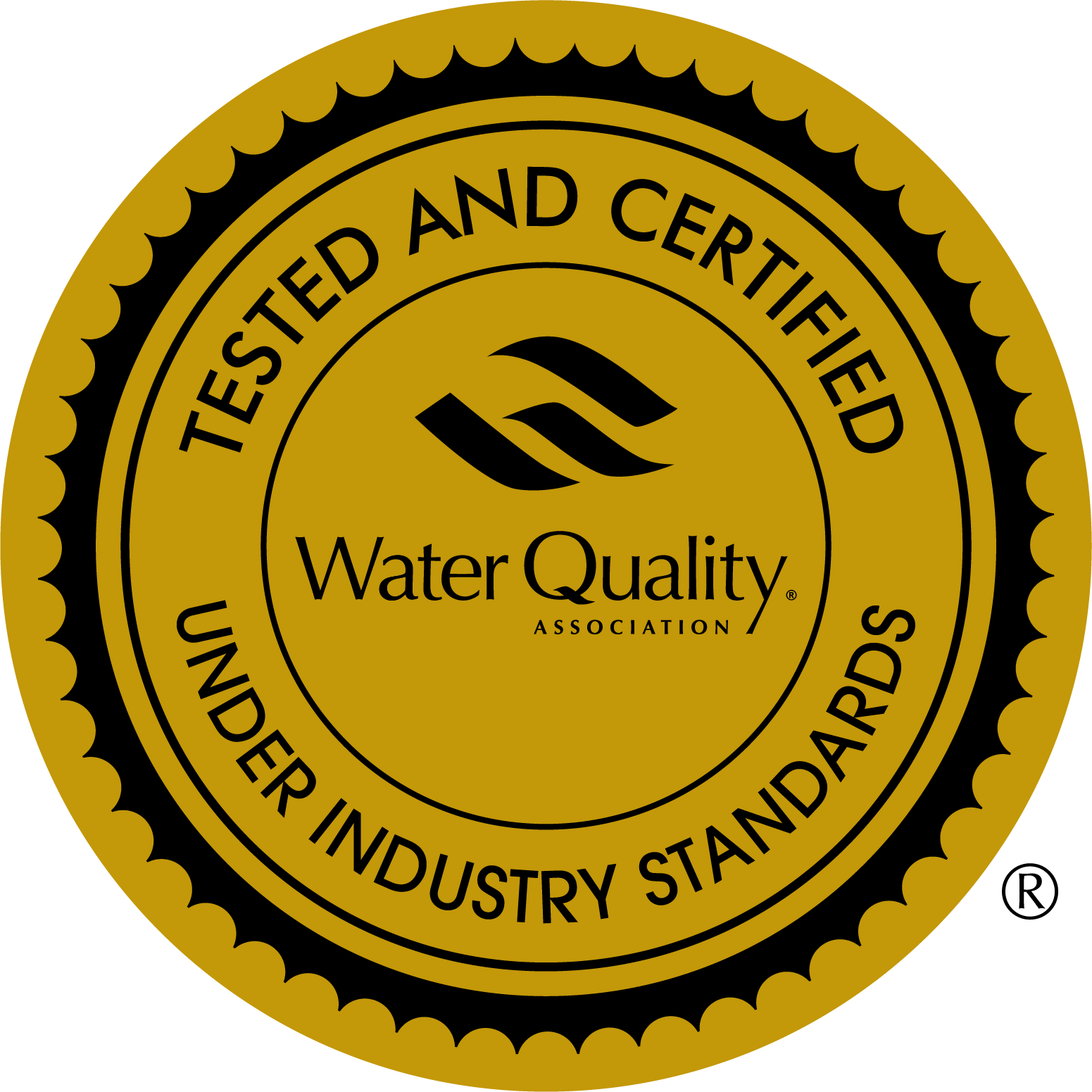
Every claim is backed by independent NSF/ANSI certification across four distinct standards, plus the Water Quality Association Gold Seal.
NSF/ANSI
Aesthetic Effects
Certified to improve taste, odor, clarity, and remove aesthetic chlorine and chloramines.
NSF/ANSI
Health-Effect Contaminants
Certified for significant reduction of specific health-related contaminants, including lead, mercury, VOCs, and cysts.
NSF/ANSI
UV Microbial Inactivation
Certified for supplemental bactericidal treatment, inactivating pathogenic bacteria, viruses, Cryptosporidium, and Giardia without chemical disinfectants.
NSF/ANSI
Emerging Contaminants
Certified reduction of up to 15 emerging chemical compounds, including prescription pharmaceuticals, over-the-counter medications, herbicides, pesticides, and flame retardants.
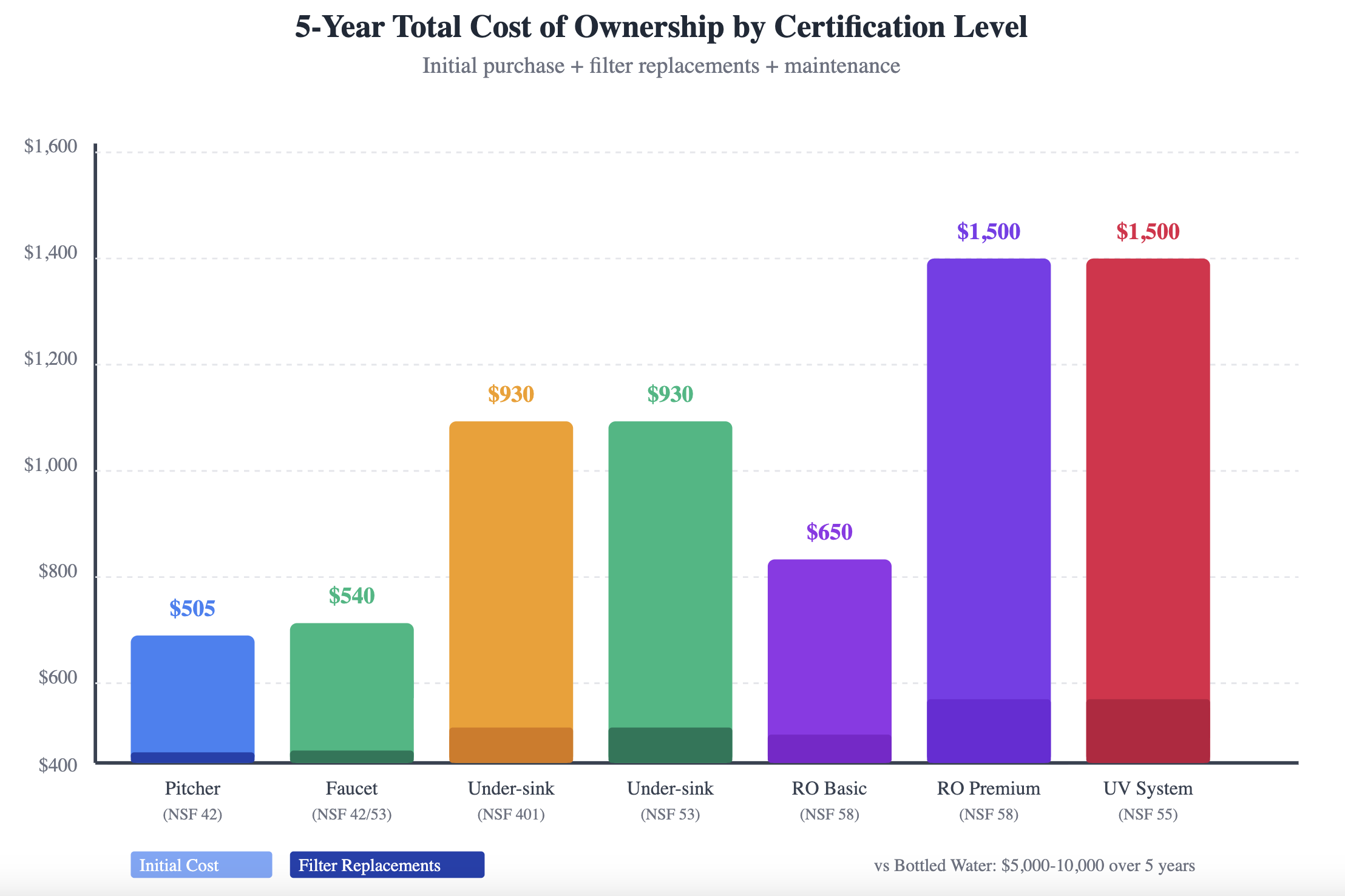
Total Cost of Ownership by Certification Level
Initial purchase plus filter replacements and maintenance over five years. Even a premium point-of-use system costs a fraction of the $5,000–$10,000 households spend on bottled water across the same period.
Ready for Water That Works at the Cellular Level?
Request full specifications for a point-of-use carbon block and UV-C LED purification system.